
The complete platform to run your entire marketplace
A storefront for buyers, a vendor panel, an admin console, and integrations into your stack – one enterprise-grade platform you own.

Multi-vendor marketplace platform you fully own
Build and customize at startup speed, with enterprise-grade governance and control.
Zero GMV fees
The license is your only platform cost. Your success isn't taxed.
Own the source
Open source, full source for licensees – an engine you can read, audit, and extend.
Your infrastructure
Any cloud, on-premise, or air-gapped. Data residency is your decision.

Built on the most popular framework
Standard JavaScript and TypeScript – any web developer can work on it, no certified specialists to hire.
Additive, not disruptive
Add a third-party layer without replatforming, or stand up a full marketplace from scratch.
No vendor lock-in
Keep the version you paid for and everything built on it – forever.
80% of what a marketplace needs out of the box
You customize the last 20%, the part that makes your platform different from every other one.

Onboard and verify vendors
Configurable applications with KYC, and approvals in one queue.

Compare offers from different vendors
Many vendors, one product card, the best offer up front.

Split the order and settle the money
One customer order becomes per-vendor orders, payouts, and a ledger that balances.

Run it from the command center
Approvals, disputes, and an audit trail in one place.
Start on open source. Scale on enterprise.
Open source · MIT
Mercur Open Source
The complete standalone marketplace engine – MIT-licensed and public. Test it, build on it, or launch a simpler marketplace yourself.
- MIT-licensed and public
- Complete standalone marketplace engine
- See the code, architecture, and quality
Enterprise
Mercur Enterprise
Everything in open source, plus the production layer for a business that's actually operating – payments, compliance, trust, integrations, and support. Full source for licensees.
- Financial control & settlement
- Compliance & data residency
- Trust, security & audit
- Integrations to your stack
- Enterprise support & SLA
See how leading brands build their marketplace
Talk to the team behind Mercur – how it works, how other brands build with it, and where it fits for you.
See it live and verify it yourself
Open the enterprise demo, read the code, and meet the team behind it.

A live, public enterprise demo
The Enterprise marketplace, live – click through it yourself.
See the core
The architecture and code, open to read on GitHub.
Built by a team that ships marketplaces
Mercur comes from Rigby, which has delivered marketplaces in production for years.
Marketplaces built on Mercur
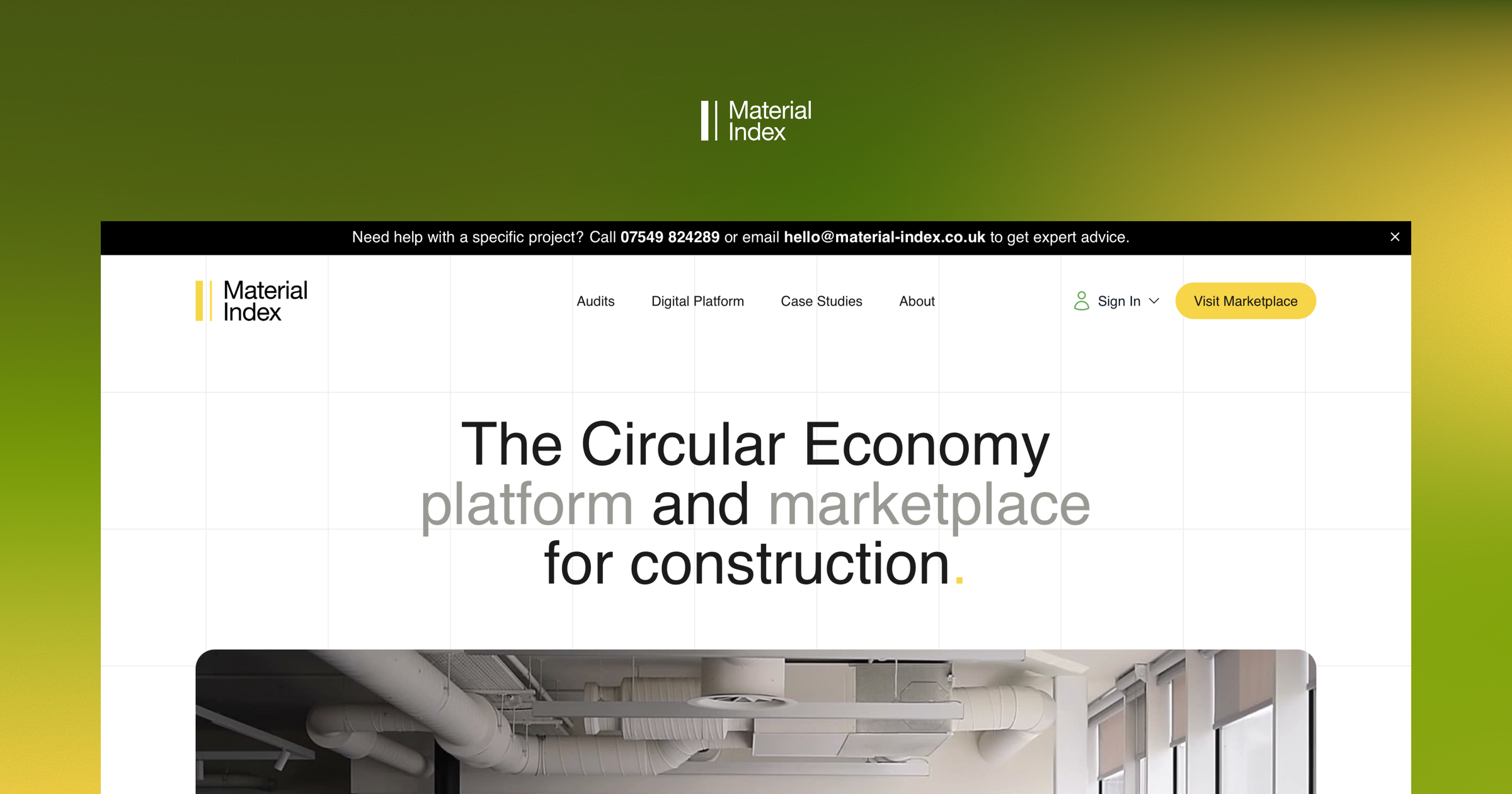
Material Index
Material Index lets contractors, architects and developers buy and sell reclaimed materials, live in the UK and licensed in Australia, the USA, and Spain.
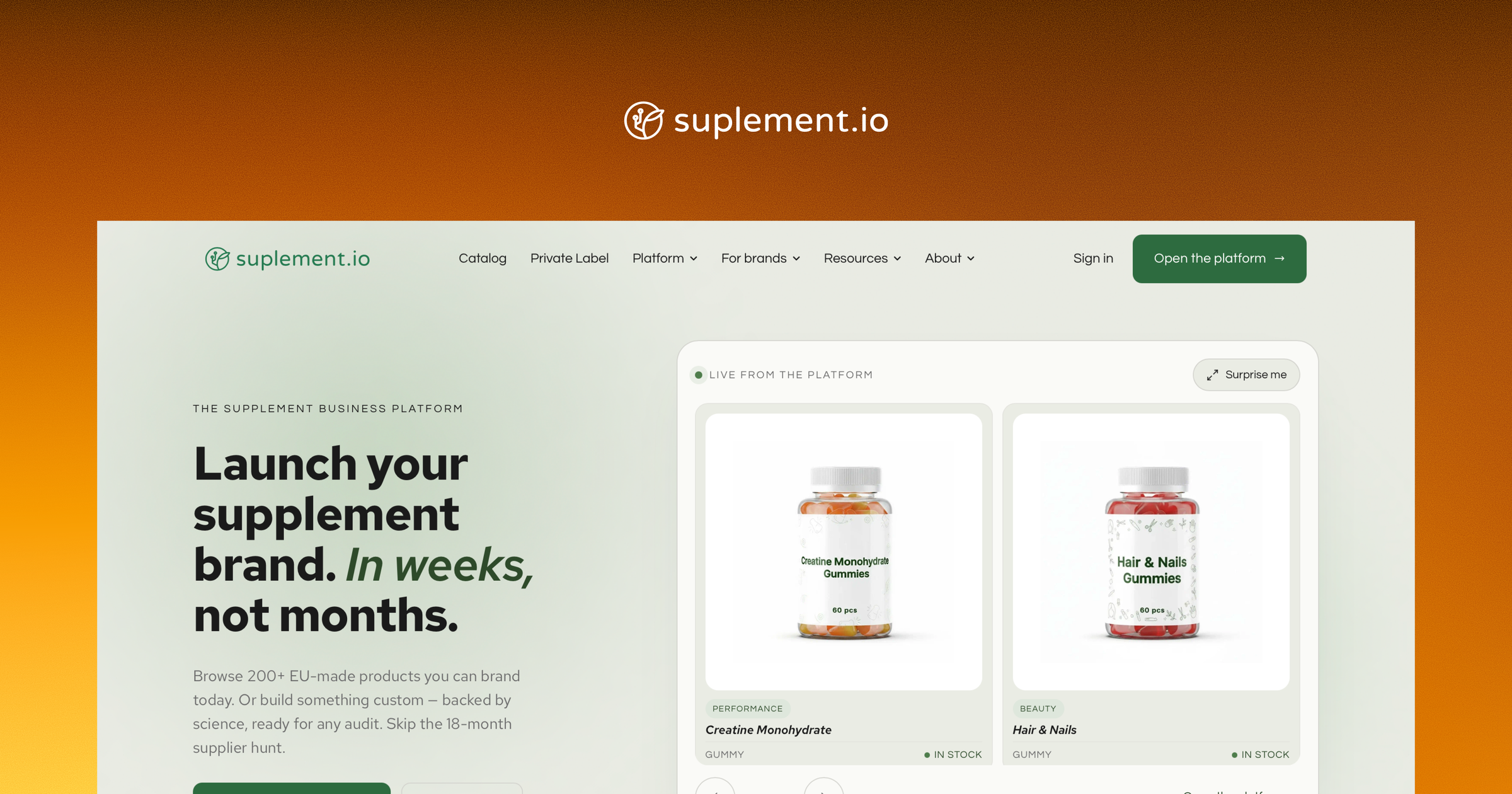
Suplement.io
Suplement.io equips supplement brands with EU-based manufacturing – ready-to-brand products, private-label formulation and compliance – in 20+ EU countries.

Skylum
Skylum extended its eCommerce with a creative marketplace for 800+ editing assets made by world-class photographers and artists.
import { createClient } from "@mercurjs/client"
const sdk = createClient({ baseUrl: BACKEND_URL })
// typed across admin · vendor · store
await sdk.vendor.products.query()

// copy a prebuilt block into your repo
$ npx mercurjs add product-import-export

// react to events, in your own layer
export const config = { event: "order.placed" }
export default async ({ event }) =>
  notifyVendor(event.data.id)
Have a store or building from scratch?
Two ways to run Mercur, depending on where you start.
Add to your store
You already sell on Shopify, Magento, or your own stack. Mercur runs a third-party marketplace beside it – your storefront stays, your vendors, no replatform.
Build standalone
Start clean. Mercur is your eCommerce and your marketplace in one engine, with no separate platform underneath.
Future-proof technology you can verify
Compare the model, inspect the architecture, or check every module yourself.


See how leading brands build their marketplace
Talk to the team behind Mercur – how it works, how other brands build with it, and where it fits for you.